Cedar Fence Installation in Norman, OK
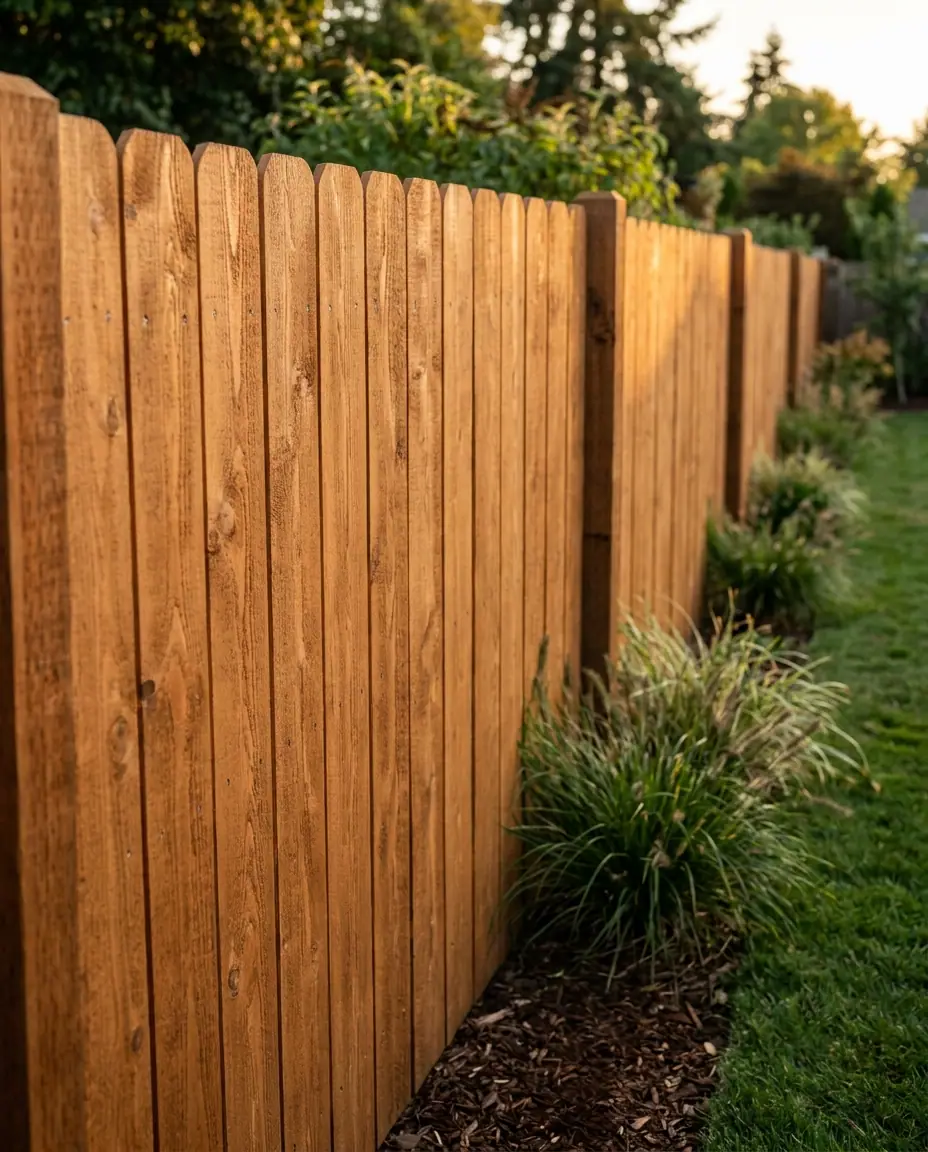
Ironclad Fence Norman builds western red cedar fences across Norman, OK and Cleveland County: 6- and 8-foot privacy fences, board-on-board, shadowbox, horizontal slat and picket fences, with cedar gates, top caps and trim. As a Norman, OK fence company, we put cedar boards on 2-3/8″ galvanized steel posts set in concrete, fasten them with stainless or galvanized nails that won’t streak the wood, and stain them when you’re ready. For pine and other wood options, see wood fence installation.
Why us
Why Choose Us for Cedar Fences in Norman, OK
Cedar is the premium wood for a fence. Small choices, like the grade and the fasteners, decide whether it still looks premium in ten years.
-
The Species on Your Quote
Western red cedar and cheaper imported “cedar” look alike on the truck. Your quote names the species and grade, so you know what you’re paying for.
-
No Black Streaks
Plain steel fasteners react with cedar’s tannins and streak the boards. We use stainless or hot-dipped galvanized nails and screws on every cedar fence.
-
Cedar Boards, Steel Frame
Even cedar rots where it meets wet clay. We hide galvanized steel posts behind the boards, so the frame lasts as long as the cedar does.
-
Finishing Done Right
We’ll stain the fence when the wood is ready, or leave it to silver naturally, and tell you how often to renew it.
Services
Cedar Fence Services in Norman, OK
Cedar works in every wood fence style we build. Here’s what we make with it around Norman.
-
Cedar Privacy Fences
6- and 8-foot side-by-side cedar privacy fences with dog-ear or flat tops. Compare styles on our privacy fence page.
-
Cedar Board-on-Board
Overlapped cedar boards for privacy that stays gap-free, finished on both sides with a top cap.
-
Cedar Shadowbox
Boards alternated on each side of the rails, so neighbors on both sides see a finished cedar fence. More on shadowbox fences.
-
Horizontal Cedar Fences
Clear, modern horizontal cedar boards on closely spaced posts, a style where cedar’s stability really shows.
-
Cedar Picket Fences
Short cedar picket fences for front yards and gardens, under 4 feet to meet Norman’s front-yard limit.
-
Top Caps, Trim & Lattice
Cedar caps and trim boards that frame the top of the fence, or a lattice topper for a lighter look.
-
Cedar Gates
Walk and drive gates faced in matching cedar on a welded steel frame, so wide gates don’t sag.
-
Cedar Staining & Sealing
Clear, semi-transparent and solid cedar-tone stains with UV protection, applied when the wood is ready.
Grades
Choosing Your Cedar
Not all cedar is the same. The grade and finish you pick change how the fence looks, and the species changes how long it lasts.
Standard (Knotty) Cedar
Most popular
Natural knots and color variation give it a rustic, warm look. The best value in cedar, and it typically lasts 15–20 years in Oklahoma with staining every 2–3 years.
Select & Tight-Knot Cedar
Cleaner look
Fewer, smaller knots and a more even color for a refined, furniture-like finish. Costs more, and is worth it on street-facing runs and horizontal designs.
Cedar Details We Get Right
- Species
- Western red cedar, named on your quote. Imported “Japanese cedar” pickets are a different tree with less rot resistance.
- Board thickness
- Standard pickets for most fences; thicker boards for horizontal and board-on-board styles where flatness matters most.
- Surface
- Rough-sawn boards take stain deeply and hide wear; smooth boards give a cleaner look.
- Fasteners
- Stainless or hot-dipped galvanized, so cedar’s tannins don’t turn them into black streaks.
- Finish
- Left to silver naturally, or stained once the surface is ready, then renewed every 2–3 years.
Cost
What Affects the Cost of a Cedar Fence?
Cedar costs more than pine, and the grade and style you pick widen the range. Your written quote lists each choice as its own line.
Get a free cedar fence estimate- Length and height
- Total footage, and 6 vs. 8 feet.
- Grade
- Standard knotty cedar vs. select or tight-knot boards.
- Style
- Board-on-board, shadowbox and horizontal designs use more cedar than side by side.
- Posts
- Galvanized steel posts, and cedar trim if you want them to look like wood.
- Gates and trim
- Gates on steel frames, top caps, trim boards and lattice.
- Site and tear-out
- Slopes, rock, roots, access, and removing an old fence.
- Stain
- Whether the fence is stained, on one side or both.
Timeline
How Long Does a Cedar Fence Take?
A cedar fence goes up in a few days. Select grades and thicker boards can take longer to source.
- From your call to the on-site estimate, typically
- 1–3 days
- For in-stock cedar and steel posts to arrive
- 0–5 days
- To build a typical 100–250 foot cedar fence
- 1–3 days
- Before staining, once the surface has dried out
- Weeks
Most homeowners have a finished cedar fence 1–3 weeks after their first call. Cedar can usually be stained within a few weeks, sooner than new pine.
Process
Our 4-Step Cedar Fence Installation Process
-
1. Estimate & Samples
We measure, mark gates and show you cedar grades and stain colors, then send a written, itemized quote.
-
2. Locates & Approvals
We call OKIE811, check City of Norman and HOA rules, and pull any permit the fence needs.
-
3. Steel Posts in Concrete
Galvanized steel posts go in on a string line, set in concrete below the frost line.
-
4. Cedar, Trim & Walkthrough
We hang the rails and cedar boards with stain-safe fasteners, add caps, trim and gates, then walk the fence with you.
Questions
Cedar Fence FAQ — Norman, OK
What grade of cedar do you use?
Most cedar fences use a standard or knotty grade, which has natural knots and character and is the best value. Select or tight-knot grades have fewer, smaller knots and a cleaner, more even look at a higher cost. We show you samples at the estimate so you can see the difference before you choose.
Why does my cedar fence have black streaks?
Cedar contains natural tannins that react with plain steel nails and screws, leaving dark streaks that run down from each fastener. It's cosmetic, but it's hard to remove. We use stainless or hot-dipped galvanized fasteners on cedar to prevent it. Existing streaks can often be lightened with an oxalic acid wood brightener.
Do I have to stain a cedar fence?
No. Cedar's natural oils resist rot without stain, and unstained cedar weathers to a silver gray that many people like. Staining keeps the reddish-brown color, adds UV protection and helps the boards resist cracking and cupping. If you stain, plan to renew it every 2 to 3 years.
Is Japanese cedar the same as western red cedar?
No. Fence pickets sold as Japanese cedar come from a different tree. They're usually cheaper but less resistant to rot and more likely to warp and split than western red cedar. Both can be called "cedar" at the lumberyard, so your quote states exactly which species you're getting.
Will cedar warp in Oklahoma heat?
Cedar moves less than pine as it dries, so it stays flatter, but any wood can cup or twist in hot, dry summers. We reduce it with three rails on a 6-foot fence, fasteners that grip, and boards installed tight to the rails. A stain with UV protection slows the drying that causes most warping.
Can I have cedar posts instead of steel?
You can, but even cedar breaks down where a post sits in wet clay, and that's where most wood fences fail. We recommend galvanized steel posts behind cedar boards: the posts are hidden from the finished side and won't rot. If you want the look of wood posts, we can face them with cedar trim.
Does cedar keep termites away?
Cedar's natural oils make it resistant to termites and other insects, but not immune, especially once the wood is old, wet or in contact with the soil. Keeping the boards off the ground with a kickboard and using steel posts removes the parts termites usually reach first.
Free estimate
Get a Free Cedar Fence Estimate
Tell us roughly how much fence you need, the height and the style you like. We’ll bring cedar samples to the estimate and send a written, itemized quote.